Introduction
Singapore Lam Ann Association
Years of Heritage
Rooted in tradition since 1926.
Driven by Community
Connecting 1,800+ members.
Established in 1926, it initially served as a gathering place for Lam Ann people and gradually developed into a significant center for cultural preservation, economic cooperation, and community development.
Over the years, it has facilitated various initiatives such as the establishment and restoration of Fengshan Temple, cultural activities, fundraising for temple renovations, and promoting youth engagement through initiatives like the establishment of youth groups.
Through multifaceted efforts, the association continues to promote the spirit of Nan’an, strengthen bonds among its members, and contribute to the cultural and economic development of Singapore.
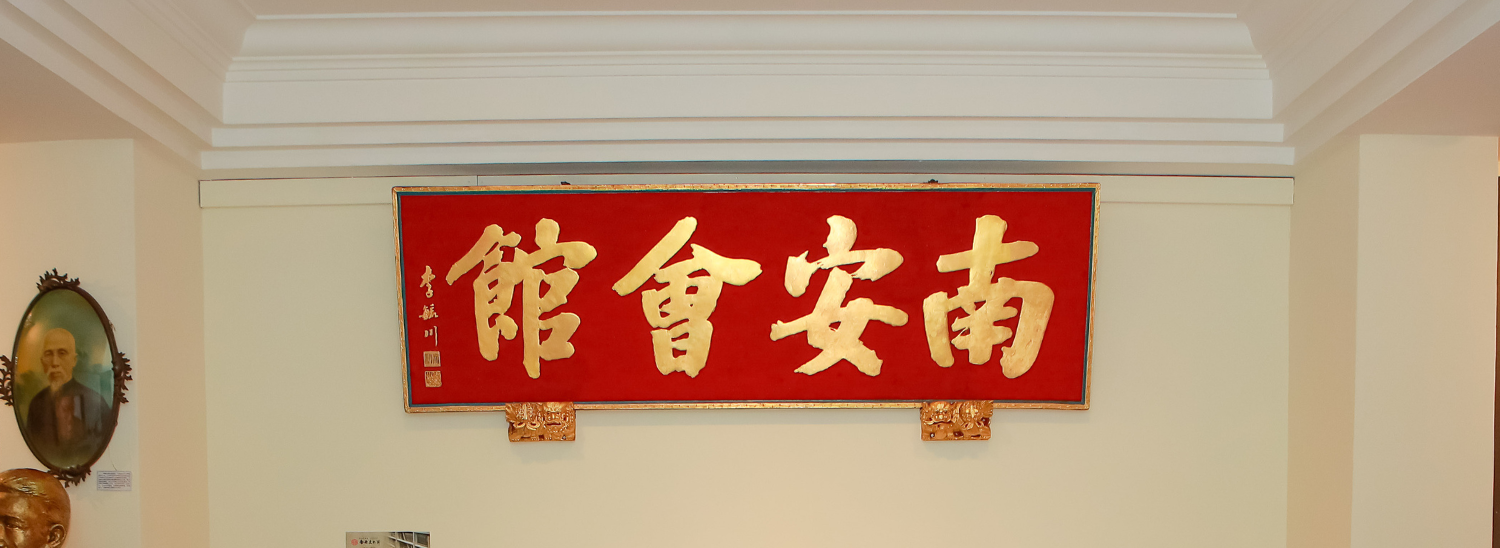
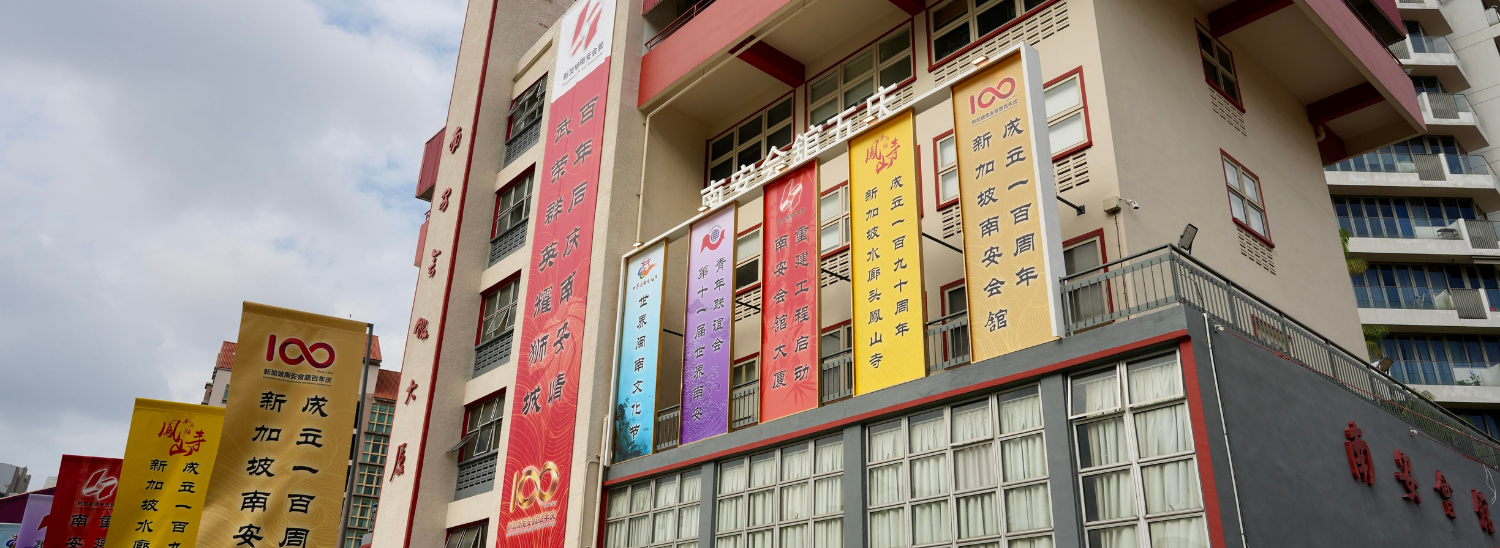
Historical Timeline (1836-2025)
1836
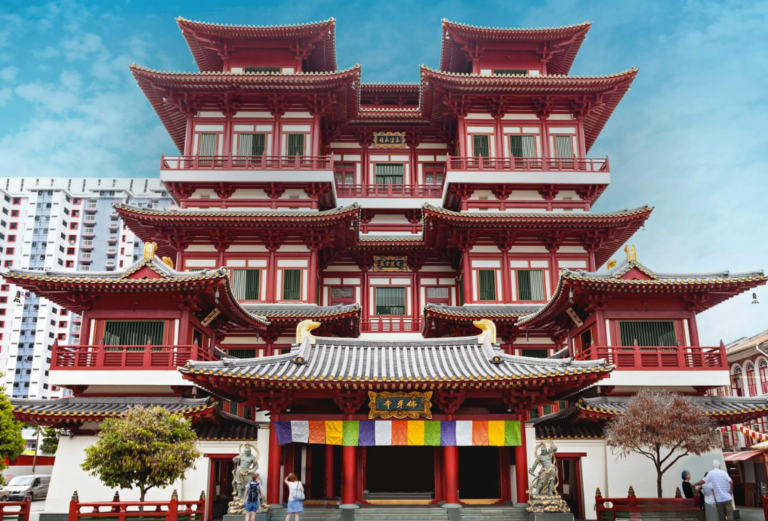
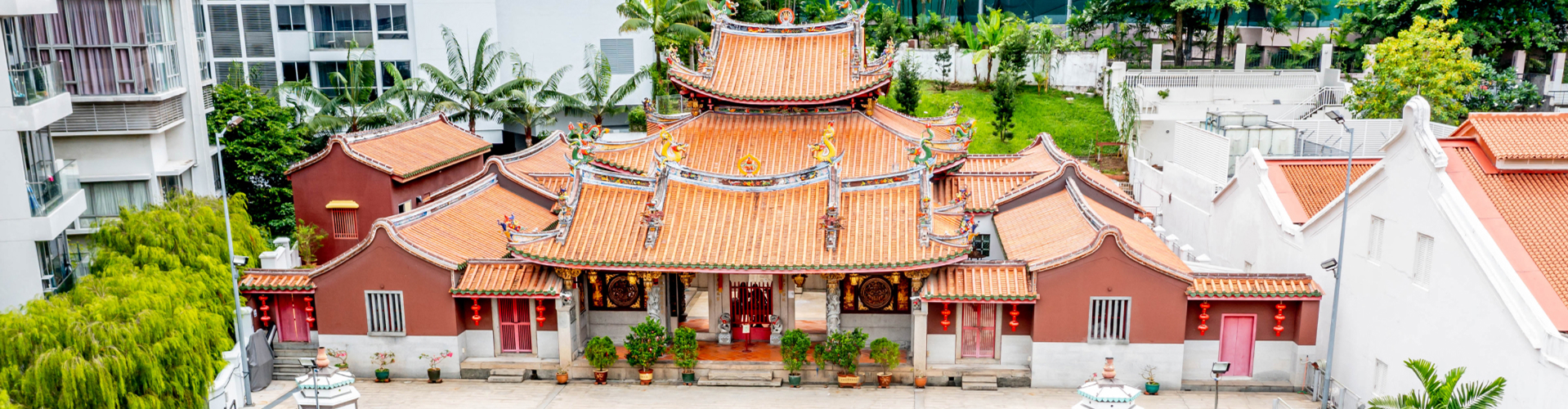
The history of the Singapore Lam Ann Association is closely linked to Hong San See Temple. Built in 1836 by Nanan pioneers including Liang Rengui, the temple—later renovated by early leaders such as Cai Pengnan and Song Qilin—became a key community gathering place. In the Guangxu era, it was relocated due to urban redevelopment, with compensation of $50,000, and rebuilt at its current site on Mohamed Sultan Road. Following the relocation, Nanming School was established within the temple to serve local children, further strengthening its role in community building and education.
1924
In 1924, Wang Jialu, Hou Xifan, Lin Shuicong, Lin Shenfu, Hong Guangteng, Li Guangqian, Liang Zhou and others initiated the establishment of the “Lam Ann Association” and the meeting was called in Hong San See Temple. In 1926, Lam Ann Association was officially founded, and Executive Council purchased five two-storey shophouses in Ann Siang Hill. House number 59 was used as the clubhouse for the association. The other four shophouses were rented out to provide the source of funding for the association. The first chairman was Mr. Wang Jialu. In 1924, Wang Jialu, Hou Xifan, Lin Shuicong, Lin Shenfu, Hong Guangteng, Li Guangqian, Liang Zhou and others initiated the establishment of the “Lam Ann Association” and the meeting was called in Hong San See Temple. In 1926, Lam Ann Association was officially founded, and Executive Council purchased five two-storey shophouses in Ann Siang Hill. House number 59 was used as the clubhouse for the association. The other four shophouses were rented out to provide the source of funding for the association. The first chairman was Mr. Wang Jialu.
1926
Wang Jialu served as the president for the first and third terms, and was then succeeded by the venerable Liang Shaoshan. The association’s charter was subsequently amended to a committee system. The venerable Hou Xifan served as the executive chairman for several decades until he was ordered to leave during the war period. Afterward, the venerable Zhou Xianrui continued to preside over the association’s affairs and assisted in war relief efforts. When the Japanese forces advanced southward, the association’s premises became the headquarters for the anti-Japanese volunteer army. After the Japanese occupied Singapore, the association’s officials, to avoid unnecessary sacrifices, burned related documents and fled, with the martyr Lin Mousheng being a prominent figure among them.
1945 – 1950
At the end of 1945, Liang Houzhou, Zhou Xianrui, Lin Jianda and other sages reestablished the association. Zhou Xianrui was unanimously elected as the chairman.
In 1950, the association was registered as a public company limited by guarantee in accordance with the Companies Act 1940. In 1962, Chairman Lam Chien Tat once again brought up the matter of rebuilding the clubhouse during the investiture of the 27th Executive Council, and it received an immediate favorable response.
1963 – 1967
In 1963, Lam Chien Tat resigned due to poor health condition. Mr. Zhuo Jinshu succeeded as chairman and continued to work on the rebuilding a new clubhouse for the association. Initially, it was planned to convert the original site of Ann Siang Hill into a 4-storey building. After due discussions, it was decided to build a 5-storey building in the open space in front of the Hong San See Temple at Mohamad Sultan Road.
In June 1967, Mr. Zhuo Jinshu passed away, and Mr. Lin Jianda was re-elected as chairman. However, during the re-election ofthe following year, he expressed his wish to step down due to his health condition. Mr. Wu Hongye was elected unanimously as the new chairman and continued to lead the association rebuilding project.
1970 – 1980
With the combined efforts and contributions from the clansmen, hundreds of thousands dollars of funds were raised. After the drawings of the building were approved by the government, the construction of the new building started with a grand ground-breaking ceremony held on January 10, 1970. The ceremony was officiated by the honorary chairman of the Singapore Lam Ann Association, Ng Aik Huan. On January 15, 1977, a ceremony was held to celebrate the association’s golden jubilee and the completion of the new building.
Mr. Goh Hong Giap served as chairman from 1968 to 1977. He was succeeded by Mr. Lee Koon Seng. In 1980, Mr. Lin Jianda was elected as the 36th chairman.
1982 – 1988
In 1982, Lin Wenyuan was elected as the chairman. During his 12 years in office, he actively promote association’s business, especially in strengthening bonds within the clansmen. In 1988, in view of the urgent issue of succession, the Executive Council established the Youth group on 15th September. The youth group involved actively in the traditional festive celebrations and culture festivals organised by the association.
1994 – 1999
In 1994, the young entrepreneur Ng Kok Keng was elected as the 43th Chairman, he started the renovation works on Hong San See Temple, and initiated the building of a multi-purpose hall Nanfeng Pavilion in the association building.
From 1996 to 1999, Ng Kok Keng was re-elected as the chairman of the 44th and 45th Executive Council. Under his leadership, the association organised the 5-Celebration Ceremony from 8-11 April 1996. One of the event was the 3rd World Convention of Nanan Clansmen. Besides this, the association continued to organise various activities, laying a strong foundation for the association.
2004 – 2007
From 2004 to 2007, Tan Eng Lai assumed as the chairman of the 48th and 49th council. During his tenure, he actively recruited talented young clansmen to join the association to enhance the strength of the entire team.
The century-old Hong San See Temple, under the jurisdiction of the association, has once again suffered severe damage from termite infestation. In response to this serious situation, the association has established the fourth Restoration Committee, named “Hong San See Temple National Monument Restoration Committee,” to initiate preparations for repair and renovation. Experts from the Beijing Palace Museum have been invited to assist in surveying and planning, with the aim of drafting a blueprint for the restoration project.
2006 – 2008
In November 2006, the aoosciation held a grand celebration of the Five Celebrations, themed “Celebrating reunion for all the Nanan hearts, joyous encounters to elevate hometown sentiments.” This event commemorated the 80th anniversary of the association’s establishment and hosted five major celebrations: the First Nan’an Economic Forum @ Singapore, the 170th anniversary of the founding of Hong San See Temple, the 18th anniversary of the Youth Group, and the 48th anniversary of the Mutual Help Association. Five thousand guests from around the world gathered in Singapore to joyfully reunite, share hometown sentiments, and collaborate on development.
2008, Dato Lin Jincong took over the chairmanship. He step down in 2009 due to health condition.
2009
Also in 2009, the restoration of Hong San See Temple was successfully completed after five years of work and an investment of $2.5 million, restoring the temple to its former splendour. To support the project, the Restoration Committee organised a series of fundraising initiatives, including the Pan Xiuqiong Concert, jointly presented with the Singapore Chinese Orchestra and featuring renowned conductor Choo Hoey conducting a symphonic performance of the Butterfly Lovers’ Violin Concerto. The Lee Foundation contributed $1 million towards the restoration, while other fundraising efforts included commemorative “Niu Ta Bricks” for donors and a limited-edition “Nan’an Red Wine” bearing the calligraphy of renowned artist Tan Swie Hian, the Association’s Permanent Honorary President. In July that year, the Nan’an Art and Culture Society was established to promote arts and cultural studies and nurture future artistic and cultural talent.
2010
On 22 February 2010, under the leadership of 51st Executive Council Chairman Tan Aik Hock and presided over by Master Guangxiang, a consecration ceremony was held at Hong San See Temple to mark the enshrinement of various Buddhas and deities. The celebrations continued with the stage performance Songs and Dances of Southern Winds Tonight and a grand banquet attended by over a thousand guests, where appointment certificates and commemorative “Niu Ta Bricks” were presented in recognition of contributions to the temple’s restoration. Following the successful completion of the restoration project, Hong San See Temple was awarded the UNESCO Asia-Pacific Awards for Cultural Heritage Conservation Award of Excellence, with a formal presentation ceremony held on 23 November 2010.
2011
In 2011, the Association organised its largest event to date, the seven-day “Bringing Your Children to Trace Your Ancestral Roots in Nan’an, Fujian” tour. Led by members of the older generation, the programme aimed to help younger participants reconnect with their ancestral heritage by exploring the customs, geography, and culture of their hometown. A total of 138 participants joined the journey, gaining a deeper understanding of and appreciation for their roots.
In the same year, the Association collaborated with the Singapore Chinese Orchestra to present the outdoor concert “Elegance and Popularity: SCO’s Harmonious Melodies at Hong San See Temple.” Held in front of Hong San See Temple, the concert attracted more than 800 attendees and brought the community together through an evening of music and cultural appreciation.
2013
In 2013, the Urban Redevelopment Authority of Singapore (URA) held its Architectural Heritage Awards ceremony at the auditorium of the Lam Ann Association. In recognition of its exemplary restoration efforts, Hong San See Temple became the only Grade A restoration project to receive the URA Architectural Heritage Award. In the same year, the Lam Ann Association was honoured with the Outstanding Clan Association Award by the Singapore Federation of Chinese Clan Associations for its remarkable achievement in completing the extensive five-year restoration of the century-old Hong San See Temple.
2014
From 18 to 21 November 2014, the 12th World Convention of Nan’an Clansmen, themed “Nan’an Spirit, Charming Lion City,” was held at the Resorts World Sentosa Convention Centre in conjunction with the 88th anniversary of the Singapore Lam Ann Association. The biennial convention brought together clansmen from around the world to strengthen ties, foster mutual understanding, and promote cultural and economic exchanges. Through these connections, the event contributed to greater collaboration and supported regional economic and community development.
2015
Today, an estimated 400,000 Singaporeans trace their ancestry to the Nan’an region, including towns such as Shishan, Xiangyun, Meishan, Luodong, Fengzhou, Liucheng, Meilin, Lefeng, Shuitou, Guanqiao, and Shijing. Since 2007, the Nan’an General Chamber of Commerce has maintained a representative office within the Singapore Lam Ann Association, strengthening cultural, social, and business ties between Singapore and Nan’an. To further promote investment and trade collaboration, the Association established the Singapore Lam Ann Chamber of Commerce, which was officially inaugurated in the Association’s auditorium on 19 November 2015.
2016 – 2019
In 2016, the Singapore Lam Ann Association launched the “Chongyang Love Warms Lion City” initiative to honour the contributions of senior citizens to their families and society. Held annually around the Double Ninth Festival, the event featured complimentary meals and stage performances, bringing warmth and companionship to elderly residents during the festive season. The programme was suspended in 2020 due to the COVID-19 pandemic.
2023
From 29 September to 8 October 2023, the inaugural Singapore Hokkien Lam Ann Festival was held, drawing more than 30,000 visitors over ten days. Organised by the Singapore Lam Ann Association, the festival featured exhibitions on the Association’s history, guided tours of Hong San See Temple, over 20 cultural talks at the Lee Kong Chian Hall, a cultural corridor, outdoor performances, and a food fair. Widely regarded as a milestone for local clan and community organisations, the festival received an enthusiastic public response and set a new benchmark for large-scale cultural celebrations in Singapore.
2024
The second Singapore Hokkien Lam Ann Festival ran for 10 days, featuring lectures, performances, Fujian cuisine, Hong San See Temple tours, the Lin Mousheng Story Exhibition, AI/VR experiences, and cultural workshops, attracting nearly 40,000 visitors. A record-breaking “Land, Sea, and Air Journey”—including a cruise, a Malaysia tour, and a Nan’an heritage flight—engaged over 500 members and their families.
2025
The “Visiting a Hundred Associations • Sharing Hometown Bonds” initiative connects Lam Ann associations, chambers, and community groups worldwide, strengthening hometown ties and inviting them to the 2026 centennial. The goal is to visit 100 organisations by July 2026.
Singapore Lam Ann Association
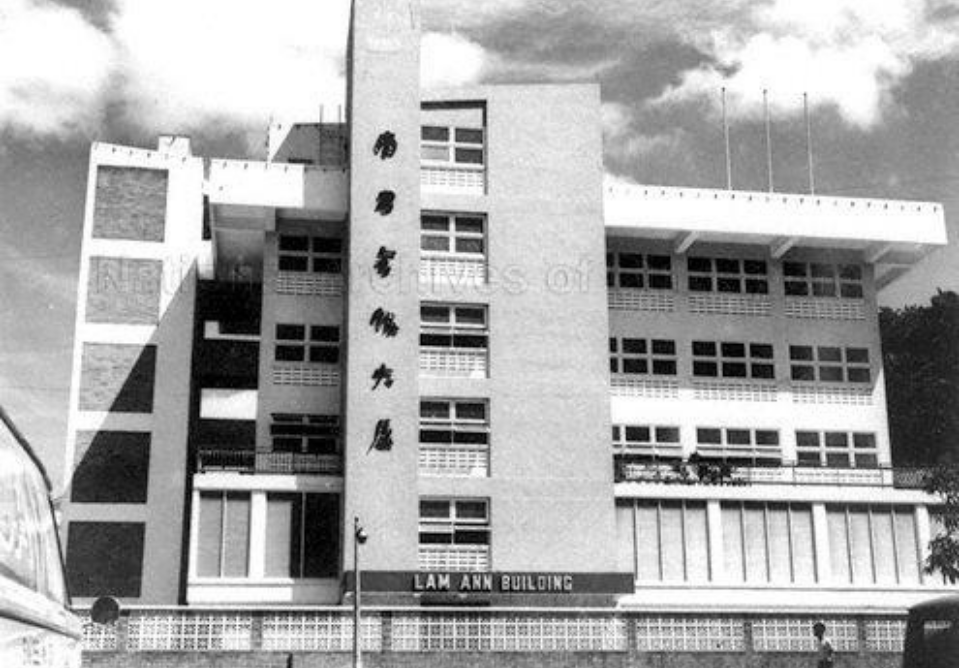
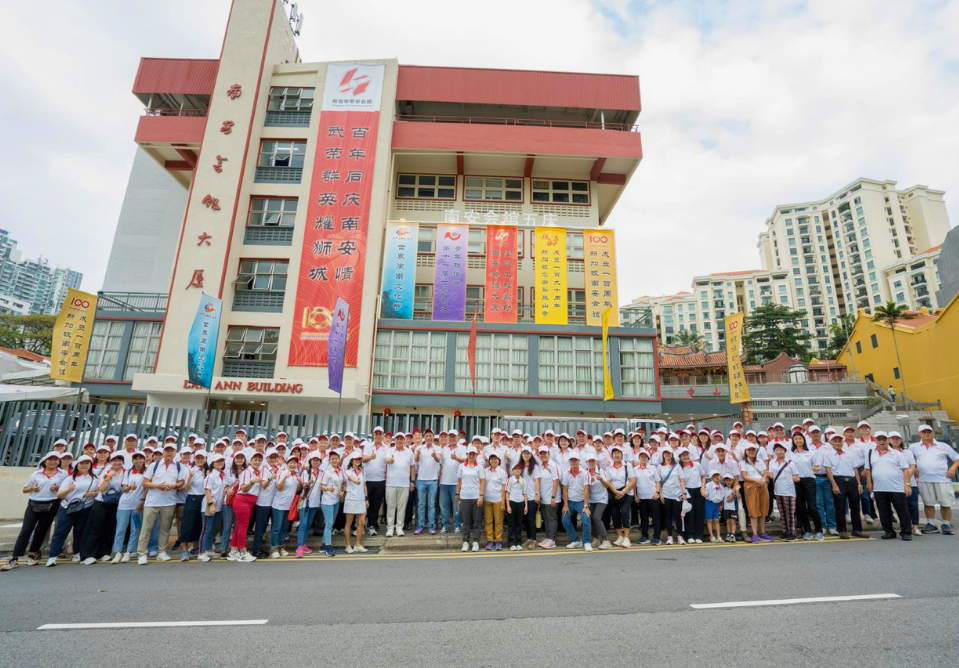
The Lam Ann Building
Gazetted on 10 April 1924 and officially established on 28 November 1926, the association has a long-standing history rooted in community, culture, and service.
The original clubhouse is located at No. 59 Ann Siang Hill, Singapore
In 1977, The Lam Ann Building was constructed at 30 Mohamed Sultan Road, Singapore 238974
The building has a total of five storeys. The first floor is an auditorium, the second floor houses the office, and the remaining three floors are rented out to support the Association’s finances. The Association currently has 1,833 members.
The building sits on a 999-year lease from 1841, with a total land area of 4,065.2 square metres (43,758 square feet).
Leadership & Governance
The Council is led by President Neo Kah Kiat BBM and Deputy President Ng Eng Seng (Christopher), supported by an Executive Advisor and four Vice-Presidents on the Executive Council. Oversight is provided by the Supervisory Committee, chaired by Ang Yu Seng PBM.
Ten functional committees — General Affairs, Finance, Property, Hong San See Management, Education, Cultural, Women, Youth, and Welfare — are each headed by a Chairman and Vice-Chairman(s), supported by committee members.
Organizational Structure
The organisation operates across three tiers: a Supervisory Committee for governance oversight, an Executive Council for strategic direction, and ten functional committees responsible for day-to-day operational areas. Each functional committee operates with its own leadership and members, reporting into the Executive Council.
Memorandum and Articles
Registered as a Public Company limited by Guarantee under the Companies Act 1940 Memorandum and Articls of Singapore Nam Ann Association
Singapore Lam Ann Association Memorandum and Articles
Incorporated on the 8th day of September, 1950
Chairmen/Presidents
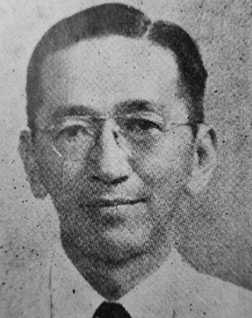
Wang Jia Lu
1924 (创办)
1st
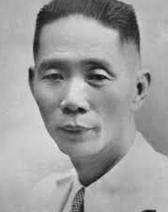
Hou Xi Fan
1925
2nd
Wang Jia Lu
1926
3rd
Hou Xi Fan
1927
4th
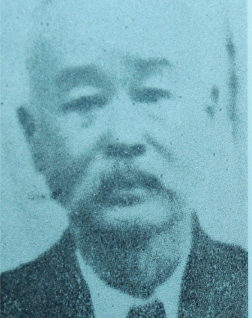
Liang Shao Shan
1928
5th
Hou Xi Fan
1929 – 1930
6th – 7th
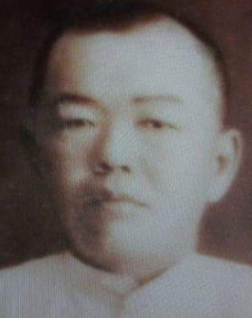
Xie Wu Na
1931
8th
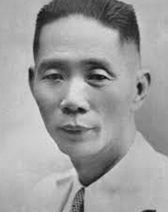
Hou Xi Fan
1932 – 1939
9th – 16th
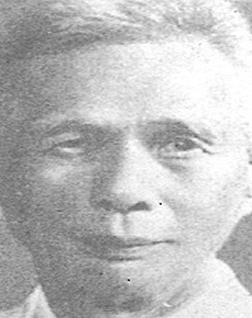
Zhou Xian Rui
1940 – 1955
17th – 23rd
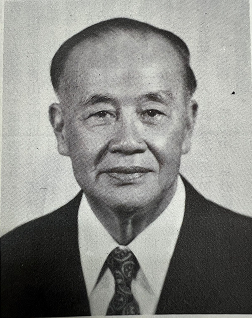
Lin Jian Da
1956 -1963
24th – 27th
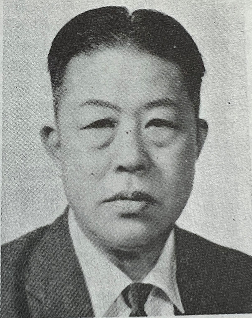
Zhuo Jin Shu
1964 -1967
28th – 29th
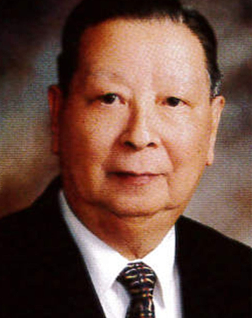
Goh Hong Giap
1968 – 1977
30th – 34th
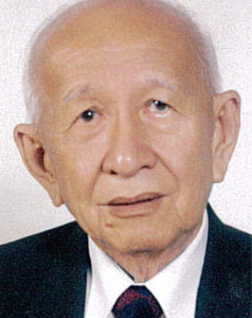
Lee Koon Seng
1978 – 1979
35th
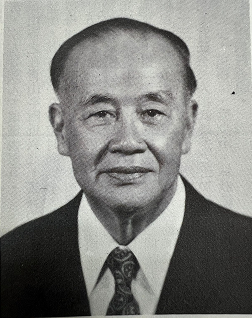
Lin Jian Da
1980 – 1981
36th
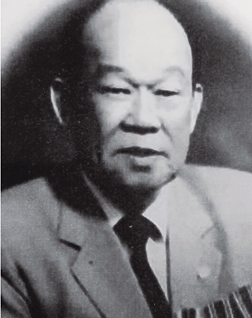
Lin Wen Yuan
1982 – 1993
37th – 42nd
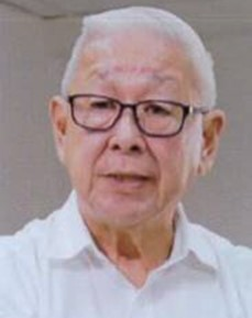
黄国庆
1944 – 1999
43rd –45th
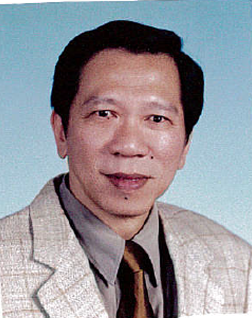
Dr Lim Kim Hock
2000 – 2003
46th –47th
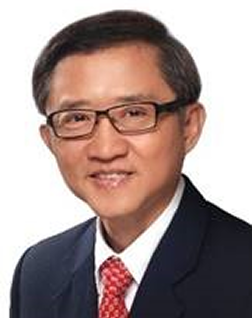
Tan Eng Lai
2004 – 2007
48th – 49th
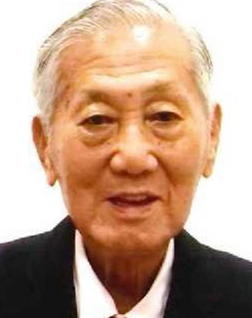
林金聪
2008 – 2009
50th
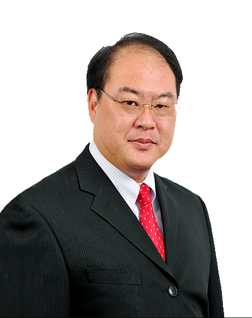
Tan Aik Hock
2010 – 2022
51st – 55th
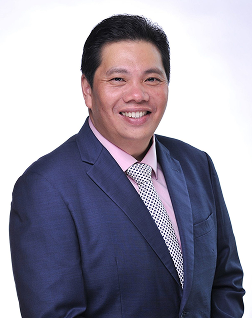
梁佳吉
2023-2026
56th-57th
南安古今地名对照表
据《南安县志》记载,元朝和清朝时期南安县分为四十六都。
元朝,在南方改乡,里为都。
南安县把宋时划分的八乡三十一里,改为四十六都。
明朝洪武年间,为了方便管理,南安在丰州县城内没置三坊,城外设置四十四都;将六,七都合一;九,十都合一。
清朝延续明朝设制,设置四十六都。
一都:今丰州镇。
二都:今泉州黄龙,新塘等地。
三都:今丰州西华,环山;泉州石坑,京塘等地。
四都:今洪濑。
五都:今洪濑集新,东林,坝田,洪梅乡。
六都、七都:今洪梅山溪,新林,罗东。
八都:今向阳乡,罗东飞云村。
九都、十都:今九都、码头内柯,刘林,美岭,码头,梅山哈下。(九十连都)
十一都:今码头镇,诗山镇。
十二都:今蓬华乡,诗山镇,码头镇。
十三都:今眉山乡,诗山社坛,社一,社二;金淘深垵,占石,深辉。
十四都:今金淘镇莲坑,盖溪,东门,杏山,水阁,时潮,石林,南丰,艺林;眉山乡山后村。
十五都:金淘。
十六都:今码头,梅山。
十七都:今罗东。
十八都:今罗东侯垵,飞云,罗东;梅山灯埔,鼎诚等地。.
十九都:今洪濑镇,梅山格内。
二十都:今康美。
二十一都:今丰州旭山,铺顶,双溪,仙河,玉湖,后田;康美福铁,洪濑葵阳。
二十二都:今美林玉叶,梧山,金枝,丰州仙河,玉湖,张坑;溪美桑林,霞东,霞西,象山。
二十三都:今美林洋美,檀林,美林,南美,后山,庄顶;省新,省东,利善,南埔,埔顶,陈坝。
二十四都:今美林(省新镇)南厅,新厅。
二十五都:今美林李东,李西,白沙,珠渊,溪州,溪口;省身镇(旧时属美林镇)南厅,丘洋,西埔,油园,壇林,满山红;仑苍镇黄甲,后垵;眉山乡大眉,小眉,观山
二十六都:今溪美贵峰,镇山,仑苍镇。
二十七都:今英都,仑苍蔡西。
二十八都:今东田,英都坪山,翔云沙溪。
二十九都:今溪美莲塘,大埔;东田兰溪,南坑等地。
三十都:今溪美上都,下都,三保,宣外,施坪,杏连,祥堂。
三十一都:今溪美顶溪美,路水头,莲田,普尾,彭美,崎口,长富,井园,潮塘。
三十二都:今丰州,霞美,邱店,张坑;溪美象山,鹭江。
三十三都:今官桥,丰州田黄,邱店。
三十四都:今官桥,晋江石湖边,新垵,山仔。
三十五都:今官桥成竹,黄山,漳里等地。
三十六都:今水头,官桥大盈。
三十七都:今官桥九溪,水头。
三十八都:今水头,官桥泗溪。
三十九都:今水头朴里,水头街等地。
四十都:今水头镇。
四十一都:今水头,石井苏内。
四十二都:今石井下房,联丰。
四十三都:今石井三乡,石井,后店。
四十四都:今石井营前,淗江,奎霞。
四十五都,今石井郭前,院前,溪东。
四十六都:今石井前坂,西福,淘江
你家在南安第几都? 南安古今地名
1、一都
坑尾、金鸡、下埕、西山、长福、果园、仕茂、麻山、田后、锦堂、一甲、二甲、三甲、四甲后田、旭山、西山、长福、山美、四甲、金山、玉田
2、二都
黄龙、榜头、仙景、林美、田中、大埔、岐山、黄石头、东里、严浦、新塘、新步、西庄、霞美宅、大锦田、小锦田、蔡塘坑、山后、后坑、坑柄泉州鲤城区
3、三都
坡头,霞美、董埔、萧厝、京塘、锦溪、西坡、山仔后、石坑、黉后、鹏溪、路霞、井山、石盘、山下、亭塘、水吼、内寮、赤崎、杏田、蔡田、大垄、竹园丰州、西华、环山
4、四都
福院、柯厝塘、桥亭、院前、大坡下、下寮、宫边、下宅、牛肚、亭洋、竹坑、下尾、尾墘、拜坡、流坑岭、糖□、尾宫、前窑、岭兜、山坪、尾园、院后、新坝、苦仕脚、萧前、南清、梁厝、大尾洋、进坑、洪墘、蔗柄、寮内、石路头、马道、徐厝、大湖、新墘尾、尾厝、产田、康内、亭店、茶林、岭顶、陈塘葵山、葵星、大洋、都心、福林、跃进、前瑶、杨美、东林、三林、牛肚
5、五都
集新、象头、凤桥、坝田、洪后、竹溪、困狗、梅溪、溪内、溪池头、狮后、苏埔、霞溪、内坑、西坑、霞桥、内坡、树林、后垄、尾桥、土楼、土地、宫头、尾宅集新、坝田、三梅、梅溪、新林、新联、洪溪、洪梅
6、 六都、七都
茅峰、洋坂、金果、仁宅、甘棠、池后、后坑垄、井滨、茅埔、丹霞、溪东、芳园、后畲、官路边、佳洋、湖内、半崎、苦港、山腰、后慕、慕美、村内、草坡、笋塔、坑尾、洋中、霞厝、玉叶、厚洋、溪坂、徐内、潭边、南台、溪西、东头、岭后后畲、六都、山溪、新林
7、八都
芦庵、马迹、郭田、华溪、下仓、上仓、坑头、卓厝、内董、巷仔、大墘垄、洋坪马洨、邱田、卓愿、坑头、巷仔、大乾龙、飞云
8 、 九都十都
彭口、陈山、西头、茫洲、蓝坡、彭林柄、亭店、亭后、黄铺、彭岭、东坑、坑柄、东厝、刘林、墩兜、下店街、南边山、山尾、良美、新宫、长庆、山边、壕树垵、送坑、许内、石神、褚厝、溪尾、康安、码头、桐林、金圭、楼仔、林坑峡下、大力、秋林格、水江、高苏、阉墘、社潭、岭兜、后溪头美星、青林、彭林、新东、金圭、新民、秋阳、和安、新丰、林坑、杏田、码头、康安、美岭
9、十一都
大庭、霞宅、溪东、衢门、内益、下坂、郑坂、董宅、卿园、小余、塔口、大训、大姑、中房、溪头、澳头、曾坝、下埔、高洋、澳下、石水缸、内洋、大坝、圆通、杉仔尾、八尺、荇内、石鼓林、江厝、路后、山栖鹏峰、声东、红星、红旗、梧埔山、西上、大庭、东大、宫占、丰美、码四、大坝、仙美、杏工、杏东
10、十二都
蓬岛、路荇、大演、华美、后垵、吕洋、古坑、钱塘、古宅、罗埔、杏塘、半岭、岩田、坑柄、前坑、后山、坊前、郭山、凤坡、田仔、林口山头、前街、宫边、曾墘、下庭后、林柄、苏尾、潭尾、欧内、山兜、登科头、枫树、院前蓬岛、路荇、大演、华美、黎阳、黎明、苏厝、山城、新村、钱塘、鳌峰、民主、联山、联星、前山、坊前、凤坡、社一、山一、山二、仙都、高盖
11、十三都
坡尾、高田、社坛、良田、仙境、街兜、深垵、大山、山门、考湖、苏坑、九畹、白涂、尖坪、花仔尾、紫水井、大宅园、丹坑、狮四脚高田、天山、三凌、社一、社二、深垵、占石、深辉、
12、十四都
杏后、呈泵、院后、盖溪、莲峰、孳善、东门、坡美、肖前、山坂、后坑、后厝、水阁、格林、楼下、临沶、山后山后、时潮、盖溪、千金庙、莲坑、东门、杏山、水阁、石林、南丰、艺林
13、十五都
内寮、浯坂、尾宫、田头、塔兜、岭兜、长园、尾甘、下村、坡后、岭后、凤头崎、溪下、朵桥、草埔、马前、西埔、观音亭、岭脚、东坑、柯内、龟湖时潮、晨光、玉园、东溪、亭川、钱山、朵桥、毓南、中心、文山
14、十六都
芦口、树坑、洪山、雷坑、军仓、东垵、官园、黄山、杨厝店、林坂、汤边、亭内、锦林、下寮、洪山、铺前、芙蓉、诗口、南坡、瓯塘、小塘东垵、新蓝、璞山、梅山、蓉中、蓉溪、芸塘、水口、演园、梅峰、丰联、坑内、诗南、新汤、坑内、铺前、南冬、金中、高山
15、十七都
罗溪、坑口、半岭、坝头、堤沙、荷坂、中埔、埔头、高塘、田中、小坝、霞山罗溪、振兴、蔡厝、山坂、埔心、高塘、罗东、罗中、霞山、荆坑、灯光
16、十八都
侯垵、许山、黄山、岭北、来仔、古山头、卢岭山脚、古池、上埔新明、维新、罗东、登埔、鼎诚、明新
17、十九都
湖尾、洪濑、郑山、宫田、□内、下呷、坡尾、桥头、流塘、卓坑、坡紫、汾内、格内、街头、顶厝、新街、草坡边、炉内、小路洪濑、西林、前峰、谯琉、溪霞、建洪、格内、丰溪、埔仔
18、二十都
霞舒、后寮、古长寨、后吕、园内、东坂、长岑、岑内、坑尾桥、土楼、深丘、角内康美街、康美、园内、青山、集星、梅星、梅魁、梅园、赤岭
19、二十一都
王塘、庙下、锦亭、溪口、陈田、厝斗、石召空、吴辇、下呷、井兜、后田、大坑、福水、下湖、库仔后间、长仔岸、产田、庄内、敬长、杏埔、过塘、垵内、小阪、过郊、素雅、浦内兰田、福铁、旭山、铺顶、双溪、仙河、邱钟、素雅、张坑、杏埔、桃园、双溪、后田、玉湖、厝斗
20、二十二都
后田、长厅、新罗、溪洲、圳后、白叶、格后、乌树、光坑、桑林、左口、吉塘东坡井、小下尾、东山、店上、金枝、月娘、演内、下湖、吾宅、东坑团结、东旭、玉叶、楷山、金枝、仙河、张坑、玉湖、桑林、霞东、霞西、象山
21、二十三都
加洋、陈坝、美林、庄顶、后山、利善、南坡、埔顶美林、洋美、梅亭、福溪、省新、省东、西美、檀林
22、二十四都、二十五都(眉山乡)(美林镇、省新镇)(仑苍镇)
南厅、前园、霞洞、白涂、太平、白沙、后埔、珠渊、大宇、大眉、小眉、庵前、山腰、后垵、珑内、西山、邱洋、西埔、五龙塔、古井、凤林、合水头、蕉坑、保福、楼仔、坑头、涧岭、葛山、南湖、溪口、后畲、肘内、梅溪、小山林、金丹南金、园内、丹清、新厅、李东、李西、檀林、白沙、省身、邱洋、油园、珠渊、溪一、溪二、溪州、溪埔、满山红、松英、大宇、后垵、蕉坑、大眉、小眉、南湖、田内、太山、前进、观音、观山
23、二十六都
园尾、岑头、坑口、大禹、大泳、西涓、后楼、塘内园美、联盟、黄甲、大泳、辉煌、贵峰、镇山、龙江
24、二十七都
英内、内寮、蔡西、荣山、斗养、西峰、后墘、安柄、董山、坂埔、过溪、秋芦、仑尾、路芸、恒坂、古苍蔡西、仑苍、丰富、荣星、西峰、英东、良山、芸林、大新、仕林、坂头、石山、霞溪、民山
25、二十八都
尾寮、下亭、前溪、蔗头、后溪、切桑、东田、西坑、许溪、邦坝、大坪、湖尾、象运、沙溪、风巢美洋、东田、蓝溪、桃园、雪峰、西坑、凤巢、盖凤、丰山、山西、坪山、翔云、沙溪、黄田、梅庄、头梅、东山、金安、椒岭、福庭、云山、翔山
26、二十九都
后洋、大埔、洋坪、蟹坑、溪西、芒枞、加冬、汤井、坪溪、后窟、长箱、石壁、官田、周厝、南坑、前街大埔、莲塘、彭溪、南坑、汤井、后堀、岐山、蓝溪
27、三十都
莲坑、孤山、溪田、山外、西坑、墩仔、章田、东埔、东郭、田坂、审林、黄山坑、过溪、后村潭、尾寮、墩顶、西福、溪边寨、上塘、黄龙、吾坝、路墘、暮厝、许茂、三舍桥、庄仔庭、下坑头上都、宣化、施坪、三堡、下都、杏莲、祥堂
28、三十一都
溪尾、路水头、莲田、埔尾、鹏洋、潮塘、崎口、长富、井园新华街、民主街、中山街、溪美、金圭、路江、帽山、彭美、崎峰、莲塘、长富
29、三十二都
大霞美、温山、吴坑、云台、邱店、福泉、八尺、埔中、港内、石寮、后井、大山、山尾、小官桥、吕茂、金俊、董埔、倩内、大庭、江厝、下寮、轻山、下堡象山、路江、霞美、温山、埔当、邱钟、山美、张坑、四黄
30、三十三都
陇内、金坑、霞茂、龙头、澳柄、下洋、埔仔、山后、黄仑、鸟坑垄、官坑、深坑上、东边、溪园、和铺、席厝、竹口、石蛇、岭头洋四黄、邱钟、沃柄、东星、和铺、下洋、内厝、席里、竹口
31、三十四都
岭兜、塘上、新宅、坑园、洋庄、曾庄、西林、虎空、溪乾、山兜、桥头、内寮、田渚、石湖边、官桥、墟顶、社庄、杏中、新垵、山仔岭兜、塘上、新坪、内都、官桥、西庄、和铺、
32、三十五都
岩前、四石柱、弥陀岭、三脚松、北山、黄山、漳州寮、洪邦、东头、河内、周厝、下寮、仙枝、后田、山头林、溪边、林边、溪柄、曾厝、后寮成竹、黄山、漳里、东头、盐田、周厝、山林、泗溪、洪岭
33、三十六都
吴墓、仙宫、柯厝寮、石井寮、田头、君子坑、后埔、大盈、溪尾、上林、蔡盈、辜厝、前浯、内厝星美、南侨、文斗、大盈、上林、内厝、前梧、
34、三十七都
九溪、书阁、资福、风斗、石壁、大坝、邦岑、埕尾、文斗店、院口、东村、院内、前边、浯坑、溪坂文斗、仁福、邦吟、呈美、星辉、九溪、曙光
35、三十八都
前园、泗尾山、庄上、后山、大门内、陈林头、前宅、脚踏埔、横厝、下赵、田坂、杏宅、北山、新宫、官埔、洋尾、溪南、坑尾洋、尾墓、苦岑、金厝寮、龟山、岭山、后园龙凤、仁福、朴一、朴二、朴三、新营、南侨、文斗、曾岭、星辉、泗溪、
36、三十九都
朴兜、西仓、高美、东山、埕边、林柄、水头、报劬、田墘、寮桌坑、萧厝、五里、纺车、桥尾、望溪朴里、西锦、埕边、龙凤、水头、南侨、下店
37、四十都
新寮、院顶、铁箍、踏跳坑、洪塘、东泉、华封、柯厝、康店、送圳、龟庄、桥南、柳厝、苏厝、长园、前园、庄顶、洪厝、上厅、溪南、风吹鼓、下寮、中央、芒溪、上呷、扳龙、上塘、后邦、江崎西锦、龙凤、朴一、朴二、朴三、仁福、下店、山前、江晚
38、四十一都
后房乌、厝寮、林前、山前、蓬莱、吴内、蔡剑、山头、内寮、东岭、后坝、青石宫、萧厝、把坤、刘宅、大坝、圳仔尾、尾上垵、金厝、油园、溪埔、顶庄、窑兜、圳墘、下庭、塘边、南清、后山庄、前寮、九里、苏内后房、山前、西锦、巷内、水头、仁福、劳光、埕边、龙凤、苏内
39、四十二都
西山、古井、洋坑、后宅、院下、大潭、吴坑、东边、刺巷、山后、埭头、下尾、桥头、下房下房、三乡、院下、促进、联丰、建设
40、四十三都
大圭、蔡宫、章文、石井、后殿、六甲三乡、院前、石井、林柄、后店
41、四十四都
古山、宫前、安园、塘边、圭霞、桥头、东头、□港、大坑、卢厝、后青、脉山、水头、和美
42、四十五都
郭前、东安上、院前、格蓝、澳内、后井、老园、坂头、前山、下园、庄内、溪东、岑兜、埭仔、前房、莲洋边、 淗浔郭前、杨山、院下、淗江、溪东、吟兜、联丰
43、四十六都
前坂山、西呷、莲河、余厝、卢清前坂、西福、淗江
注:如有错漏欢迎留言指正修改,